1. Check the building
Inside a home or unit, the team looks through closets, cabinets, bathrooms and anything that could hold sharps.
Shiloh, OH · Montgomery County
Found a needle or syringe in Shiloh? Stay back, keep children and pets away, and call (877) 812-4220. A cleanup team can search the area, collect every sharp and dispose of it safely.
If anyone is in danger, call 911 first. For a suicide crisis, call or text 988.
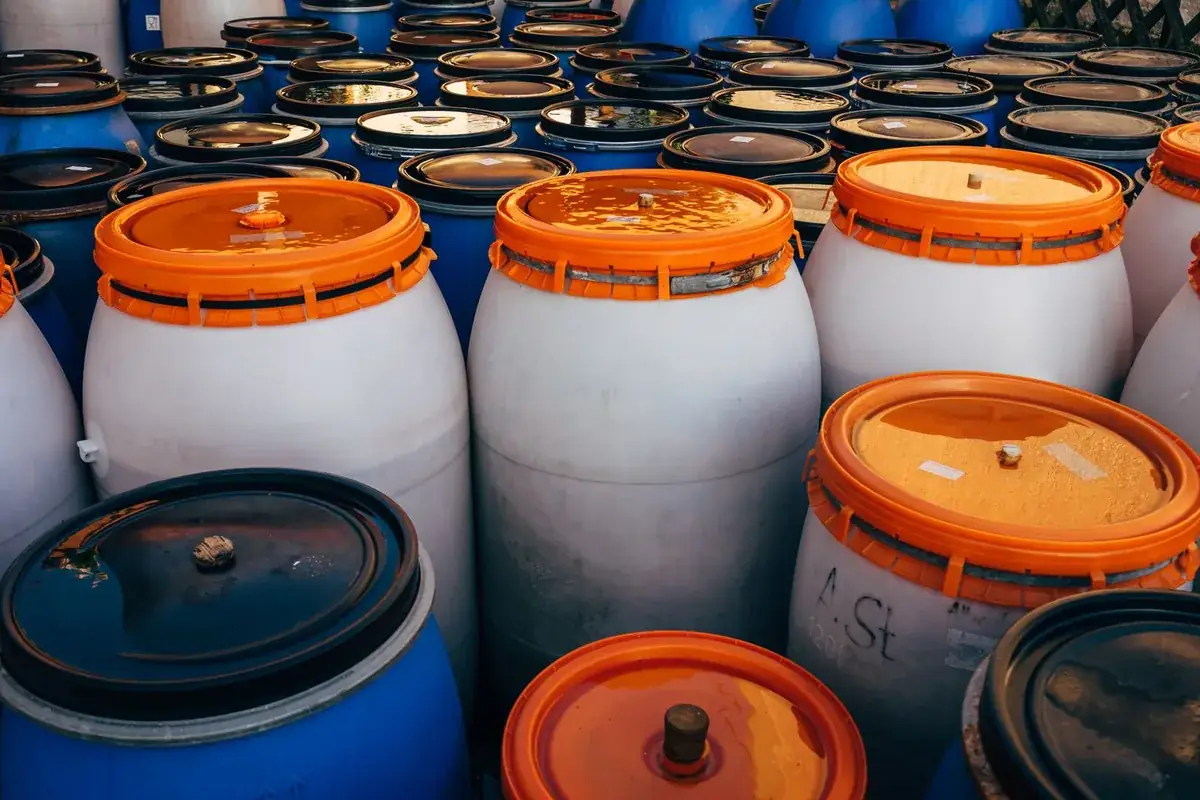
Sharps contamination happens when needles, blades or glass with possible blood on them are left where people can reach them. Cleanup includes collection, disinfecting nearby surfaces and sealed transport.
If you find syringes while clearing a loved one's home in Shiloh, you can call Shiloh Biohazard Cleanup Help. Crews search drawers, bags and closets, and take care of the sharps so relatives in Montgomery County never have to.
Renters make up about 52% of households in Shiloh, so landlords and property managers often need a sharps sweep after a move-out. After a needle stick, wash with soap and water and get medical care. Dayton Childrens Hospital in Dayton is the closest emergency room to Shiloh.
What needle & sharps cleanup covers:
Inside a home or unit, the team looks through closets, cabinets, bathrooms and anything that could hold sharps.
Crews put on protective gear and search the whole area, including corners, drawers and under furniture.
Everything is hauled off as regulated waste. Nothing is thrown out with household trash.
Containers go to a facility that treats medical waste, and the owner can ask for a record of what was found.
The cost of needle & sharps cleanup in Shiloh, OH depends on the amount of material, how it is packed and how it is hauled.
Access can raise or lower the price. Locked units, stairs, fences and long travel distances all play a part.
| Type of job | Typical range |
|---|
Estimates only, not a quote. Sources: . Price drivers include number of items, where they are found, whether a sweep of a large area is needed, waste disposal. Call (877) 812-4220 to talk through the job.
Lease terms and local law decide. A landlord, an attorney or a tenant rights group can say who is responsible. In many cases the property owner books the sweep first so the unit can be used again, and the cost is sorted out afterward.
The price depends on the size of the area, the number of sharps and access. A short sweep costs less than a full building. A cleanup team can give a real price after hearing the details, and it should explain what is included before work begins.
No. Recapping or bending a used needle is one of the most common ways people get stuck. Leave it where it is and let a cleanup team lift it with a tool and place it in a container.
No. This page explains how needle and sharps cleanup works. It is not medical, legal or insurance advice. For exposure or symptoms, contact a doctor or Poison Control, and for local programs ask the health department.
It is a rigid, puncture-resistant box with a locking lid, made to hold needles, syringes, lancets and blades. Cleanup teams use them to seal sharps for transport. Containers should not be overfilled or opened again once locked.
Loose needles should not go in household trash, because they can stab sanitation workers. Rules for small amounts of household sharps vary by city and county. The local health department can say what is allowed, and a cleanup team can take larger amounts.
A full sweep finds the needles you can see and the ones you cannot.
Call (877) 812-4220